When you or a loved is diagnosed with diabetes, expert care can help you stay healthy and avoid complications. At MU Health Care, we offer advanced treatments, including GLP-1 medications and implantable continuous glucose monitors (CGMs).

Diabetes is a group of conditions that cause blood sugar (glucose) levels to rise. Whether you have Type 1, Type 2 or gestational diabetes, our endocrinologists can provide care that’s personalized to you. With locations in Columbia and Jefferson City, we offer expert diabetes diagnosis and treatment close to home. In addition to helping you control your glucose levels, we can also work with you on strategies to reduce the risk of long-term complications.

Diabetes Symptoms

Diabetes symptoms can appear gradually or develop suddenly. Some people notice only mild symptoms, while others experience more significant changes.

Common diabetes symptoms include:

  • Rapid, unexplained weight loss
  • Frequent urination
  • Excessive thirst
  • Recurrent urinary tract infections (UTIs) or yeast infections
  • Vision changes
  • Increased hunger
  • Fatigue

These signs can occur in children, teens and adults of all ages. If you or a loved one has these symptoms, finding a diabetes specialist is important.

Getting Help from Our Diabetes Specialists

If you’re concerned about your symptoms, don’t wait to seek help. Uncontrolled diabetes can damage your organs and even be life-threatening. Ask your primary care provider to refer you to our care team.

You can also reach out to us directly for a second opinion on your diabetes care plan.

For children, ask your pediatrician for a referral to our pediatric diabetes specialists.

Types of Diabetes We Treat

Our endocrinologists diagnose and treat patients with all types of diabetes:

Type 1 Diabetes

Type 1 diabetes is an autoimmune disease in which the immune system attacks cells in the pancreas that make insulin. This causes glucose levels to rise. Type 1 diabetes is usually diagnosed in childhood.

Type 2 Diabetes

Type 2 diabetes is a chronic disease in which the body does not make enough insulin or use insulin properly. As a result, glucose rises, potentially damaging organs throughout the body. Although Type 2 diabetes is usually diagnosed in adults, it can also affect kids and teens.

Gestational Diabetes

This type of diabetes occurs during pregnancy and usually goes away after delivery. However, gestational diabetes can increase the risk of developing Type 2 diabetes for you and your baby.

Maturity-Onset Diabetes of the Young (MODY)

MODY is a rare inherited form of diabetes caused by genetic changes that affect insulin production. It can be misdiagnosed as Type 1 or Type 2 diabetes. MODY is typically diagnosed in teens and young adults.

Prediabetes

If you have prediabetes, it means your blood sugar is higher than normal but not high enough to be considered diabetes. Prediabetes can raise your risk of developing Type 2 diabetes, but lifestyle changes and certain medications can help lower these risks.

Other Types of Diabetes

Some people develop diabetes because of another medical condition, genetic syndrome or medication. These less common types may include monogenic diabetes, diabetes related to pancreatic disease or diabetes caused by certain drugs or chemicals. Our team can help determine what type of diabetes you have and create a treatment plan that fits your needs.

Diabetes Treatment at MU Health Care

Managing diabetes often requires a team approach. At MU Health Care, specialists work together to help you control your blood sugar and stay healthy.

Your care team may include:

  • Endocrinologists: Develop a blood sugar management plan that addresses your goals and preferences.
  • Certified diabetes educators: Nurses and dietitians with advanced training in diabetes care.
  • Physician assistants and nurse practitioners: Collaborate closely with specialists to help manage your diabetes treatment.

What to Expect on Your First Visit

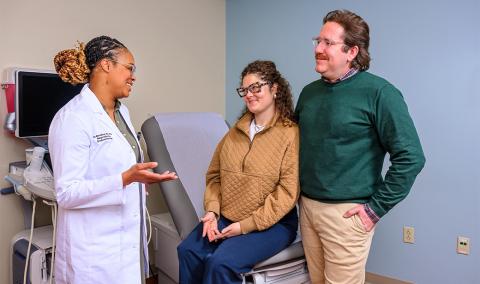
You'll meet with an endocrinologist to assess your condition and discuss strategies to better manage your glucose. Based on your needs, your provider may also recommend meeting with a certified diabetes educator. We’ll schedule follow-up visits every three to six months to monitor your condition.

One-on-One Diabetes Education

We offer personalized diabetes education with a certified diabetes educator who can suggest strategies on living well with the condition. One-on-one education is available and we also offer a Facebook support group where you can get advice from our team and your peers.

CGMs and Insulin Pumps

Continuous glucose monitors give you real-time glucose readings to help prevent spikes in your blood sugar. The latest CGMs we offer can be implanted under the skin of your upper arm for up to one year.

If you use insulin to manage your diabetes, we have many options for you to choose from, including insulin pens and pumps. Some pumps are paired with CGMs to automatically deliver insulin when needed.

Weight Loss Medications

Our specialists may recommend certain weight loss medications to treat Type 2 diabetes. They can help control blood sugar, reduce appetite and improve your lipid levels (including cholesterol and triglycerides). Some may also support heart health or help manage other conditions, depending on your health needs.

Other Weight Management Services

For patients with diabetes who need to manage their weight, we offer expert-led weight loss services at MU Health Care. Besides innovative procedures, we also provide nonsurgical treatment and support for your weight loss journey.

Specialized Care for Gestational Diabetes

If you developed diabetes during pregnancy, our endocrinologists can coordinate care with your OB/GYN or maternal fetal medicine specialist. Together, we can provide the monitoring and support you need before and after delivery.

Specialty Care for Diabetes-Related Health Conditions

Having access to a team of specialists is important because diabetes can affect many parts of the body. We have the full scope of experts at MU Health Care, including:

  • Cardiologists: Help manage your blood pressure and lipid levels.
  • Ophthalmologists: Monitor for diabetic retinopathy and other eye diseases that are more common with diabetes.
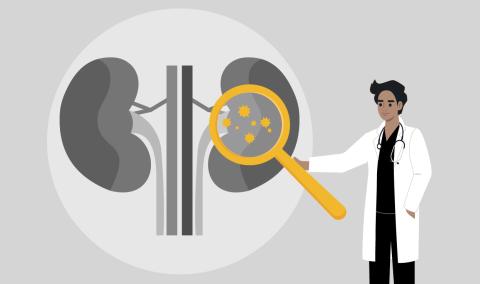
  • Nephrologists: Help treat diabetes-related kidney disease.
  • Neurologists: Can check for signs of nerve damage.