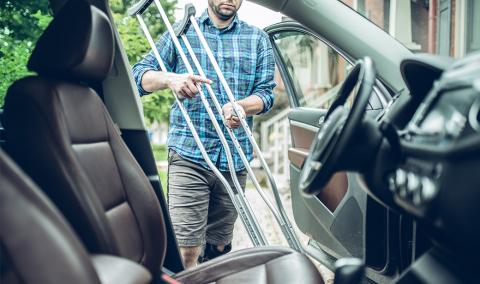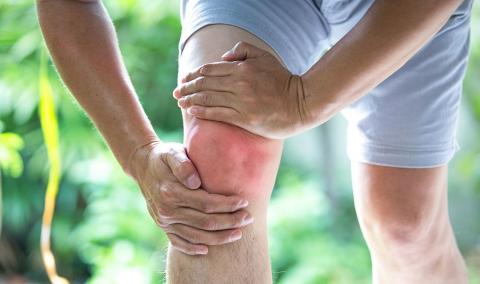
After a fall, car accident or other serious injury, you want to be sure you’re in the best hands. Our orthopaedic trauma team has expertise in repairing broken bones and saving and restoring limb function to help you heal and regain strength.
Whether you have a bone fracture or serious trauma, we can provide the care you need and help you feel better.
As the only Level 1 trauma center in mid-Missouri, MU Health Care provides the most advanced care for severe musculoskeletal injuries.
Our Approach to Orthopaedic Trauma
Our orthopaedic trauma team collaborates closely with fellow orthopaedic specialists to repair fractures (broken bones), dislocations and severe soft tissue injuries. Specialists in plastic surgery, vascular surgery, and other specialties are readily available to join your care team to treat more complex injuries. By working together, our experts provide personalized care throughout your hospital stay, recovery and rehabilitation.
Why Choose MU Health Care for Orthopaedic Trauma
As an academic health system, MU Health Care leads research on finding better ways to treat orthopaedic injuries and preserve function. For example, our surgeons study new implants and protocols which speed up healing after complex surgery.
We also modify your treatment based on your goals. Together, we’ll work toward healing your orthopaedic injury and restoring your quality of life.
Conditions and Injuries We Treat
- Amputations
- Ankle and foot fractures
- Arm fractures (humerus and forearm fractures)
- Arthritis (post-injury)
- Chronic wounds
- Complications of fractures
- Elbow pain and injuries
- Hip fractures
- Joint contractures (joints that don’t move)
- Joint dislocations
- Joint fractures
- Knee fractures
- Leg fractures (femur and tibia fractures)
- Malunions (fractures that healed incorrectly)
- Nonunions (unhealed fractures)
- Osteomyelitis (bone infections)
- Pelvic fractures
- Periprosthetic fractures (fractures around implants)
- Shoulder pain and injuries
- Wrist fractures
Comprehensive Fracture Care
At MU Health Care, you have access to the latest treatment options for orthopaedic injuries ranging from mild fractures to severe breaks.
Our fellowship-trained surgeons treat simple fractures as well as compound fractures where bone breaks through the skin. Whether you need a cast or surgical repair, our specialists can manage your fracture from diagnosis through recovery and rehabilitation.
If surgery is needed to repair a broken bone, we will involve additional specialists. For example, hand and spine injuries may require the care and attention of experts in those areas. Our team can make determinations for how fractures and fracture-related problems should be managed and provide direct, post-operative treatment. We will also work with physical therapists and occupational therapists to determine the best way to manage your fractures.
Orthopaedic Trauma Services
For other oprthopaedic injuries, our team provides a range of treatments, from surgery to limb preservation and rehabilitation. We can support you at every stage of an injury, even through recovery.
Reconstructive Surgery for Complex Bone and Joint Injuries
Our surgeons are specialized in reconstructive techniques, including tissue transfers and nerve transfers. These transfer procedures can help preserve vital function in your limbs. We also use advanced tools, such as 3D printing, to plan complex surgeries and help restore normal alignment whenever possible.
Bone and Cartilage Grafting for Tissue Loss
Osteochondral allografts can help improve limb and joint function after an injury. Grafting involves transplanting human bone and cartilage (from your own body or from a donor) to replace missing bone and tissue if necessary. Our team has pioneered new methods to extend the life of these transplant tissues.
Limb Salvage Surgery
MU Health Care's Limb Preservation Program offers limb-sparing surgery to help patients avoid amputations. We also offer targeted muscle reinnervation (TMR) to reduce phantom limb pain after limb loss due to injury or other causes.
Revision Trauma Surgery
If you have an unhealed fracture, failed implant or other complication from a previous surgery, revision surgery may help. Our orthopaedic trauma and bone fracture team specializes in correcting these issues and will carefully review your case before recommending next steps. Options may include bone grafts, surgery to realign crooked bones (osteotomy), tissue reconstruction or implant replacement.
Care for Complications After an Injury
Our team is skilled at managing all types of complications after a musculoskeletal injury — from bone infections to arthritis. We are the only hospital in the region to offer round-the-clock hyperbaric oxygen therapy to heal bone infections like osteomyelitis.
MU Health Care also provides joint replacements for the hip, shoulder, knee, ankle and elbow, as well as regenerative treatments to help restore function.
Orthopaedic Rehabilitation
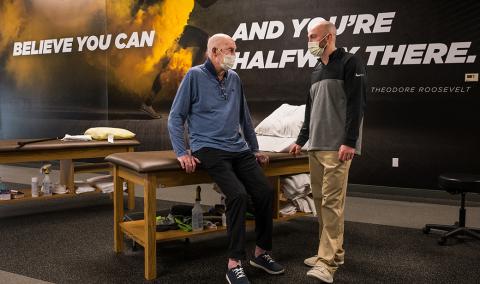
The robust orthopaedic rehabilitation services offered at MU Health Care can help optimize your function after a hospital stay for a limb-sparing procedure. Our physical medicine and rehabilitation team can provide inpatient rehabilitation and assist you with finding another rehabilitation setting that meets your needs after discharge from the hospital.
We collaborate extensively with physical therapists and occupational therapists to help you get stronger and return to your daily activities.
Orthotics and Prosthetics
Our specialists can customize orthotic devices, such as braces and supports, to improve your function after an orthopaedic injury or surgery. We also offer artificial limbs, or prosthetics, which can help you maintain your independence.
Fracture Liaison Service
If you’re hospitalized after a low-impact fracture, our team works with our Fracture Liaison Service to determine the cause. If we find that you have osteoporosis, we’ll work with the experts in our Bone Health Program to identify the best treatment options for you. Together, we can help reduce your risk of future fractures.
Psychological Support
Your care team may include a psychologist who can provide guidance and support throughout your recovery after an orthopaedic injury. Services available include help managing pain, stress and sleep issues.
Related Conditions & Treatments
- Ankle Replacement Surgery
- Bone Density DXA Scan
- Bone Health Program
- Carpal Tunnel Syndrome
- Chiropractic Care
- Elbow Pain
- Foot and Ankle Pain
- Hand and Wrist Pain
- Hip Arthritis
- Hip Pain
- Hip Replacement Surgery
- Joint Health Program
- Knee Pain
- Knee Replacement Surgery
- Limb Preservation Program
- Musculoskeletal Tumors
- Orthopaedic Rehabilitation
- Orthopaedic Trauma and Bone Fractures
- Osteoarthritis
- Osteoporosis
- Pediatric Orthopaedics
- Physical Therapy
- Platelet-Rich Plasma (PRP) Injections
- Regenerative Orthopaedics
- Sarcomas
- Shoulder Pain
- Sports Medicine