Vertebral body tethering (VBT) is a fusionless scoliosis surgery that straightens the spine while preserving motion — using your child’s natural growth to help correct the curve over time.
VBT is a minimally invasive alternative to spinal fusion for some children with idiopathic scoliosis. Instead of permanently joining the bones of the spine, this approach uses a flexible cord, or tether, to gradually guide the spine into better alignment as your child grows.
During the procedure, screws are placed along the curve of the spine and connected by the tether. Tension on the outside of the curve helps correct alignment while allowing continued movement and growth.
VBT is available at select children’s hospitals nationwide. Our team at Children’s Hospital helped pioneer this innovative procedure, and we’re the only hospital to offer it in Missouri.
Our experienced scoliosis specialists can help determine whether VBT is the right option for your child based on their current curve size and flexibility, as well as their stage of growth.
Is My Child a Candidate for VBT?
Vertebral body tethering may be recommended if your child:
- Is diagnosed with idiopathic scoliosis (e.g. the cause of the curvature is unknown)
- Has a Cobb angle (spine curvature) between 45 and 65 degrees
- Has a curve that continues to get worse despite bracing
- Is roughly between the ages of 8 and 16
- Is skeletally immature with significant growth remaining
- Has a flexible spine
Other factors like the size of your child’s curve related to their maturity status may also make them an ideal candidate for VBT. Our team can determine whether your child’s curve is likely to progress and help you understand your options. Besides VBT, we also offer other nonsurgical and surgical options like spinal fusion for scoliosis.
How to See a VBT Specialist
If you would like to learn about vertebral body tethering, you can contact our team directly. We’re also happy to offer second opinions on scoliosis treatments. We have extensive experience performing VBT and can answer any questions you have, so you can decide whether this treatment is right for your child.
Is Vertebral Body Tethering FDA-Approved?
VBT received FDA approval in 2019 after extensive scientific review of patients who received a tether. Like all surgeries, there are some risks involved, such as a chance of failure or complications. These risks are reduced when VBT is performed correctly by trained experts.
Our pediatric scoliosis team has performed many successful procedures for more than 10 years. We also train other spine specialists and the next generation of surgeons on how to perform VBT.
How is VBT Different from a Spinal Fusion?
A spinal fusion uses metal rods and bone grafts to permanently connect two or more vertebrae in the spine. This stops the spine from growing at the time of surgery and may limit your child’s ability to bend. Removing bone to create a bone graft also changes the anatomy of your child’s spine.
Vertebral body tethering can achieve similar results to a spinal fusion without affecting the flexibility of the spine. VBT involves placing screws on the outside of the scoliosis curve to attach a flexible cable. This cable helps correct some of the curve immediately and helps straighten your child’s spine as they grow.
Unlike spinal fusion, VBT may only be an option while your child is still growing.
Benefits of Vertebral Body Tethering
VBT, a type of fusionless spinal surgery, offers many benefits, including:
- Straightening your child’s spine and preventing scoliosis from worsening while kids are still growing
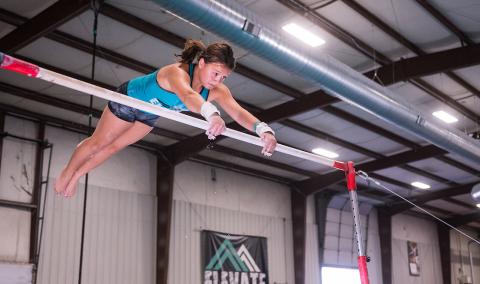
- Preserving mobility and motion
- Maintaining your child’s natural anatomy
- Getting your child back to their usual activities more quickly (e.g. three months after surgery compared to six months after spinal fusion)
Our Approach to Vertebral Body Tethering
If your child has VBT at MU Health Care, you’re in good hands. We personalize every step of their care, from the first visit to their follow-up care and recovery. Our specialists work as a team to support your family throughout your child’s treatment journey.
Your child’s care team may include:
- Pediatric orthopaedic surgeons: Specialists in fusionless spine surgery, spinal fusion and other procedures.
- General Surgeons: collaborate on certain spinal procedures, such as vertebral body tethering.
- Pediatric anesthesiologists: Skilled in anesthesia and pain management following VBT.
- Nurse practitioners: Provide care before and after surgery and assist with discharge planning following your child’s procedure.