Interventional radiology offers a less invasive alternative to traditional surgery, with less pain, fewer risks and faster recovery.

At MU Health Care, our board-certified interventional radiologists use real-time imaging to perform precise, minimally invasive procedures.

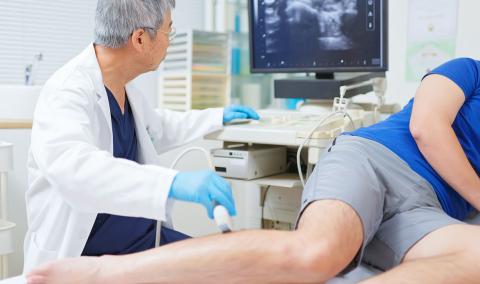
We use advanced tools like CT, ultrasound and angiography to guide treatment inside the body without major surgery.

Our Approach to Interventional Radiology

Our board‑certified interventional radiologists, neurologists, neurosurgeons and other specialists are experienced in advanced, image‑guided procedures.

Using real-time tools like CT, ultrasound and X-ray, we treat conditions through small incisions or catheters, targeting the problem with precision while reducing pain and downtime.

Your Trusted Team

We work closely with specialists across MU Health Care, including:

  • Neurology and neurosurgery, for stroke care and vascular brain conditions.
  • Oncology, for cancer diagnosis, treatment planning and targeted therapies.
  • Surgery, for interventional radiology procedures done before or after an operation.

We also participate in collaborative case reviews — including a multispecialty tumor board and vascular anomalies board — to ensure your treatment plan is as informed and effective as possible.


Conditions We Treat with Interventional Radiology

We diagnose and treat a wide range of conditions using interventional radiology, through precise, image-guided procedures rather than traditional surgery.

You may be seen and treated by our interventional radiologists as part of a coordinated care plan for cancer, vascular disease, pain or infection management.

Conditions we commonly treat include:

  • Abscesses or infections requiring drainage
  • Bile blockage or urinary obstruction
  • Blood clots in the legs (DVT) or lungs (PE)
  • Blocked or reversed‑flow veins
  • Cancerous and noncancerous tumors
  • Clotting disorders
  • Conditions requiring long‑term IV access
  • Damaged blood vessels or narrowed arteries
  • Dialysis access problems, including AV fistula creation or repair
  • Liver disease, including portal hypertension
  • Nerve pain related to end‑stage cancer
  • Osteoporosis‑related spine fractures
  • Prostate disease
  • Pulmonary embolism
  • Stroke and aneurysm
  • Uterine fibroids
  • Varicoceles
  • Venous malformations

Common Interventional Radiology Procedures

Our interventional radiologists perform a wide range of image-guided procedures through small incisions or catheters.

We offer various minimally invasive treatments to support many areas of care, including:

  • Ablation procedures: Tumors are destroyed using heat or cold. A probe is placed through the skin (like a biopsy) and guided with advanced imaging. Once activated, the tip freezes or burns the tumor, targeting cancer cells and sparing surrounding tissue.
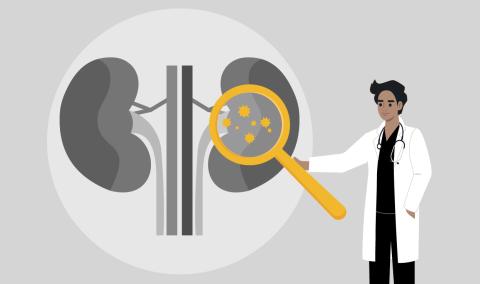
  • Biliary and kidney drains: A small tube relieves a bile duct blockage or urinary obstruction. These drains may also support kidney stone treatment.
  • Chest ports and PICC lines: Provide long-term access for medications, fluids or infusions.
  • Dialysis access care: Catheters placed in the neck or chest help prepare your body for dialysis. Fistulagrams use imaging to check blood flow in dialysis grafts or fistulas. Declot procedures use balloons and suction catheters to open blocked grafts or fistulas and restore flow with minimal interruption.
  • Endovascular procedures: Catheter-based treatments including endovascular AV fistula creation, endovascular clot removal (thrombectomy) and trauma-related vessel repair or clot removal to open blocked arteries or stop bleeding after serious injuries.
  • Filter placement or removal (IVC filters): Filters placed in the body's largest vein (inferior vena cava (IVC)) help prevent blood clots from reaching the lungs.
  • Image-guided biopsies and drainages: CT or ultrasound helps guide a needle to collect tissue or drain fluid.
  • Interventional oncology: We use targeted techniques to treat certain cancers, including transarterial chemoembolization (TACE) to deliver chemotherapy directly to a tumor’s blood supply and Y90 radioembolization to inject radioactive beads into liver tumor vessels, focusing radiation on cancer cells while sparing healthy tissue.
  • Long-term palliative drains and nerve blocks: Long-term drainage catheters relieve fluid buildup from advanced cancer. Nerve blocks relieve pain and improve comfort.
  • Prostate artery embolization (PAE): A small catheter inserted through the groin or wrist delivers small particles to shrink the prostate. This helps reduce frequent urination and other symptoms of enlarged prostate.
  • Pulmonary angiography and thrombectomy: These procedures diagnose and treat lung blood clots. Catheters are used to remove (thrombectomy) or dissolve (thrombolysis) clots, restoring blood flow and easing strain on the heart.
  • Sclerotherapy and embolization for venous malformations: Abnormal veins are closed off using sclerosing agents or embolization to relieve pain, swelling or cosmetic concerns. Pediatric patients may be seen by our vascular anomalies team.
  • Stenting and balloon angioplasty: These techniques open narrowed arteries or veins. Vein reconstruction or ablation may be used to treat chronic leg swelling, pain or fatigue from blocked or backward-flowing veins.
  • TIPS and BRTO: Liver-focused treatments that improve blood flow. TIPS (transjugular intrahepatic portosystemic shunt) creates a channel between major liver veins to reduce pressure from portal hypertension. BRTO (balloon-occluded retrograde transvenous obliteration) treats bleeding or dilated veins in the stomach.
  • Uterine fibroid embolization (UFE): A small catheter is guided to the arteries supplying uterine fibroids. Tiny particles are injected to block blood flow, shrinking fibroids and relieving symptoms like heavy bleeding and pain.
  • Varicocele embolization: A small catheter is used to block an enlarged vein in the scrotum, reducing pain and potentially improving fertility.
  • Vein reconstruction and ablation: Procedures restore healthy blood flow in damaged or malfunctioning veins, especially in the legs.
  • Vertebroplasty and kyphoplasty: Bone cement is injected into a fractured vertebra to relieve pain and improve stability, especially for osteoporosis. Kyphoplasty uses balloons to create space before the cement is added.

What to Expect

Once we determine your treatment plan, we’ll walk you through every step, from preparation to recovery.

Before Your Procedure

You’ll arrive about 90 minutes early. We’ll place an IV, review your lab results and discuss next steps.

During Your Procedure

You’ll receive conscious sedation to help you relax. A dedicated care team will monitor you throughout the procedure.

After Your Procedure and Follow-Up Care

Depending on your procedure, you may recover in one to three hours. For simpler procedures, you may be able to return home within 30 minutes.

Your referring provider usually manages follow-up. For complex procedures like Y90, we’ll coordinate additional visits as needed.