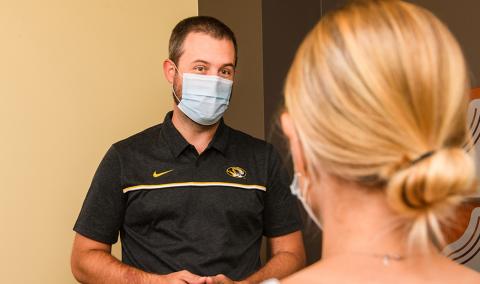
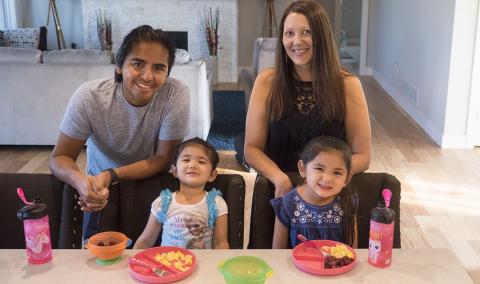
At MU Health Care, we believe kids shouldn’t be defined by a condition like Type 1 diabetes. Through personalized, age-appropriate diabetes care, our experts aim to help kids be kids.

Type 1 diabetes occurs when the pancreas doesn’t make enough insulin, causing blood sugar (glucose) levels to rise.

Led by mid-Missouri’s only board-certified pediatric endocrinologists, our specialists at Children’s Hospital are here to support your entire family through Type 1 diabetes care. We’ve assembled a team to assist you with medication, monitoring and meal planning, as well as your child’s school needs.

Signs of Type 1 Diabetes in Kids

The most common signs that your child could have Type 1 diabetes include:

  • Increased thirst
  • Frequent urination
  • Weight loss despite increased appetite

These signs usually appear in kids between eight and 12 years old, although they can occur as early as infancy. If your child has signs of diabetes at any age, we encourage you to get them checked.

If your child has these symptoms plus vomiting, stomach pain, shortness of breath, confusion or fainting, seek emergency care. These could be the signs of diabetic ketoacidosis (DKA), which is a medical emergency.

How to See Our Type 1 Diabetes Specialists

If you’re concerned about symptoms you see in your child or teen, we can help. Ask your child’s pediatrician to refer you to our care team.

You can also reach out to us directly if you want a second opinion on your child’s treatment. We can work with your local pediatrician or pediatric endocrinologist on a care plan.

We also treat children, teens and adults with Type 2 diabetes, which is a different condition.

How We Diagnose Type 1 Diabetes

To determine if your child or teen has Type 1 diabetes, we will order blood glucose tests to check for high blood sugar levels.

Your child may also have antibody tests, which check for pancreatic antibodies present in people with Type 1 diabetes. Antibody testing can help distinguish Type 1 from Type 2 diabetes.

Based on these results, we can make a diagnosis and recommend a personalized treatment plan for your child or teen.


How We Treat Type 1 Diabetes

Because Type 1 diabetes is a lifelong condition, it’s important to assemble the right care team from the start. Our team members are pediatric specialists and can adapt care and education styles to kids of all ages.

Your Child’s Care Team

Your child’s care is supported by a team of pediatric specialists who understand how diabetes affects kids and families.

Your team may include:

  • Pediatric endocrinologists: Develop a treatment plan based on your child’s specific needs.
  • Certified diabetes care and education specialists: Nurses with special training in supporting families affected by diabetes.
  • Dietitians: Can provide education on healthier eating and cooking strategies for your family.
  • Pediatric behavioral health specialists: Can help your child adjust to living with a chronic condition.
  • Social workers: Can assist with financial and insurance issues.

What to Expect on Your First Visit

At your first visit, you’ll meet with a pediatric endocrinologist, nurse educator, social worker and dietitian trained in diabetes management. We’ll discuss your child’s medical and family history and learn about your treatment goals.

After you meet with the care team, we will schedule follow-up appointments to monitor your child’s condition. We offer in-person and telehealth follow-up visits for your family’s convenience.

Insulin Shots and Pumps

All people with Type 1 diabetes need insulin, which may be given to kids through insulin pens or pumps. We offer the full spectrum of insulin pumps, including devices with continuous glucose monitors (CGMs) that provide insulin when needed.

Glucose Monitoring and Goal Setting

Frequent blood sugar checks can help keep your child’s blood sugar under control. Our certified diabetes educators can work with you and your child on age-appropriate ways to monitor your child’s glucose. We’ll also help you set goals and suggest strategies to reach your targets.

At your follow-ups, we’ll perform an A1c blood test that measures your child’s average blood sugar level over three months. Based on the results, we can adjust your child’s plan as needed.

Specialty Care to Help Prevent Complications

Because Type 1 diabetes can affect the kidneys, eyes, heart and other organs, having a team of specialists is important. As an academic health system, we have more pediatric and adult specialists than any other center in the mid-Missouri, including: